ENOVO on 19 Nov, 2025
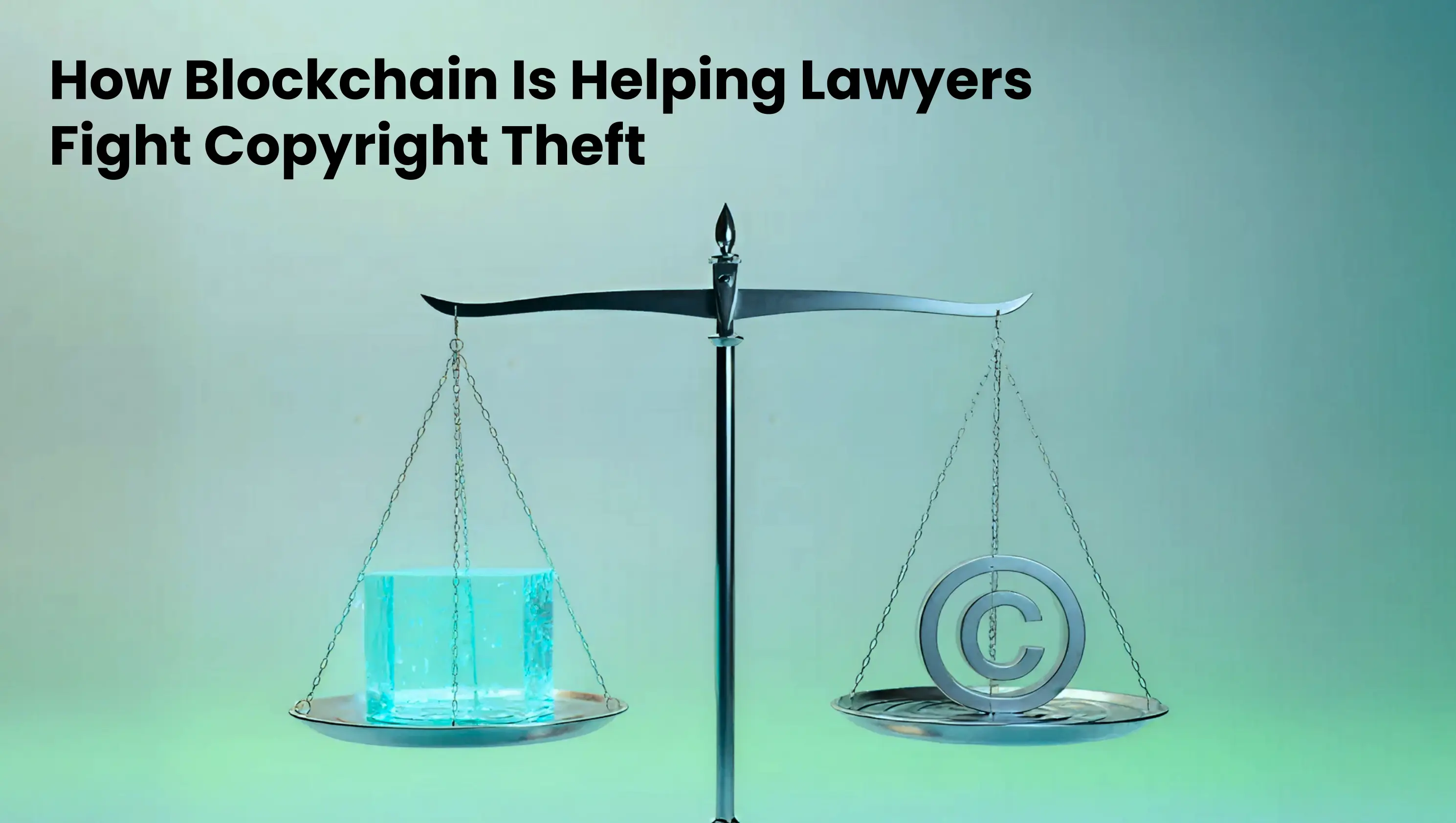
How Blockchain Is Helping Lawyers Fight Copyright Theft
Copyright disputes are becoming more common as digital content spreads faster than ever. Photos, videos, music, designs, blogs, and brand assets are frequently copied, reposted, or misused without permission. For creators, businesses, and even law firms, proving who owns what can be complicated, time-consuming, and expensive. That’s why legal professionals are turning toward a new, powerful technology: blockchain.
What started as a system behind cryptocurrencies has evolved into a trusted, tamper-proof digital ledger. Today, blockchain gives lawyers new tools to track ownership, verify originality, and present strong evidence in copyright disputes. And as more clients ask how to protect their creations, this technology is becoming a practical solution to protect intellectual property in the digital era.
Why Blockchain Matters in Copyright Protection
Many people want to understand what blockchain does in copyright protection, especially when dealing with unauthorized copying. The core strength of this technology is its ability to create immutable, timestamped records. Once something is stored, it cannot be secretly edited or deleted.
This makes blockchain an ideal system for:
- Recording original work
- Linking creators with their creations
- Storing legal proofs
- Strengthening copyright claims
To put it simply, it prevents copyright theft by ensuring every piece of digital work can have a permanent, verified history.
How Blockchain Creates Evidence Lawyers Can Trust
Lawyers and consultants use this because it generates verifiable proof of ownership. When a work—such as a song, logo, photo, or manuscript—is uploaded onto a blockchain-based system, it receives a unique cryptographic fingerprint. This fingerprint is stored forever.
This process offers:
(a) A tamper-proof copyright registry
(b) Independent verification for originality
(c) Stronger legal standing in disputes
(d) Clear ownership history for courts
As cases grow more complex, this level of proven authenticity helps legal teams present facts supported by robust technology. When needed, blockchain entries can serve as legal evidence because they are transparent and cannot be falsified.
How Lawyers Use Blockchain in Copyright Disputes
Legal teams increasingly use blockchain for multiple purposes that go beyond storage. Many legal professionals rely on it’s tools that track unauthorized use, validate timestamps, and offer proof during litigation.
Lawyers use these systems to:
- Verify authorship dates
- Confirm rightful ownership
- Show infringement timelines
- Present transparent digital records in court
When facing a dispute, blockchain-backed information reduces confusion and supports a solid case. It becomes easier to demonstrate who created the work first and whether copying actually occurred. For many law firms, this means faster resolutions and stronger outcomes.
Blockchain Helps Customers Who Fear Copyright Theft
Creators and businesses often ask how to stop copyright theft online. This is now part of modern digital protection strategies. It helps identify illegal use, track where content appears, and alert owners about potential misuse.
Clients benefit from:
| Real-time detection of unauthorized sharing. | Digital content theft solutions that reduce risk. |
| Proof that the original file existed first. | Reliable verification for disputed content. |
This is especially useful for photographers, filmmakers, designers, musicians, writers, agencies, and brands who frequently see their work circulating without credit.
Protecting Digital Creators and Businesses
Copyright issues are not limited to individual creators. Companies also face problems with copied designs, stolen content, fake ads, and product misuse. This supports businesses and creators by building stronger digital protection frameworks.
It strengthens:
- Ensuring ownership protection for digital creators
- Security for media and entertainment assets
- Brand identity protection
- Ownership tracking for studio content
- Audit trails for commercial materials
By ensuring that every creative asset has a certified origin, companies gain more confidence and legal security.
How Blockchain Enhances Intellectual Property Management
Businesses and law firms use blockchain systems as part of their IP strategy. Some companies register their ideas and drafts in early stages to create trackable ownership records.
Technological benefits include:
- Distributed ledger transparency
- Decentralized copyright verification
- Secure hashing for legal protection
- Smart contracts for rights and royalties
Smart contracts allow creators or businesses to set clear terms for usage, licensing, or payment, and these actions are executed automatically. The ledger keeps track of every interaction, making the entire rights management process cleaner and more accurate.
Why Blockchain-based Proof Is So Powerful in Court
Evidence matters in every copyright case. These entries provide structured, timestamped information that cannot be manipulated. Courts respect such data because it shows authentic records of creation and ownership.
A copyright timeline powered by blockchain can demonstrate:
| When the original work was created. | How many times a work was accessed. |
| Whether a copy appeared later. | Which versions existed at each stage. |
This reduces arguments around “who created it first” and makes decisions clearer for legal authorities.
How Businesses Use Blockchain to Protect Brands
Brand owners also turn to blockchain to safeguard logos, product photos, ad creatives, packaging designs, and marketing assets. The system creates a permanent link between a brand and its assets.
This helps with:
1. Protecting reputation
2. Preventing unauthorized rebranding
3. Avoiding misuse by competitors
4. Establishing trustworthy records for future disputes
Today, protecting a brand is more important than ever, especially with the speed at which counterfeit content spreads online.
Blockchain Helps Creators Track Their Work
Once a digital file is registered, monitoring tools can detect where it appears, how it is used, and whether someone has taken credit unlawfully. For creators who struggle with unauthorized reposting or copying, this visibility changes everything.
Modern blockchain systems provide:
- Alerts when content appears online
- Logs showing potential copyright violations
- Tracking for images, designs, videos, and documents
This visibility empowers creators and reduces the stress of being unaware of content theft.
When to Consult an Expert Like ENOVO
Many individuals and companies want blockchain-backed protection but don’t know where to begin. This is where a consultant becomes essential. A professional can help you understand how to integrate blockchain into your copyright management strategy.
Experts assist with:
- Blockchain copyright consulting
- IP protection planning
- Selecting systems for legal teams
- Evaluating digital content protection needs
- Setting up proof-of-ownership workflows
- Building secure legal documentation models
Choosing the right system is important because not all blockchain solutions are reliable or legally recognized. An experienced consultant ensures the technology you adopt is credible, compliant, and effective.
Why Businesses Prefer Professional Copyright Protection Services
Companies value a structured approach, especially when legal and creative assets are at risk. Professional advisory support ensures that the adoption of blockchain enhances protection and supports legal requirements.
Advisory services help:
- Build preventive strategies
- Detect copyright misuse
- Structure documentation for legal teams
- Integrate blockchain into daily operations
- Support brand safety and compliance
This minimizes risk and strengthens long-term protection.
The Role of Advisory Services in Modern IP Protection
With digital content expanding across platforms, the need for reliable guidance increases. Advisory services guide creators and companies with customized strategies based on their industry, business model, and content type.
Advisors help clients:
- Understand the value of tamper-proof records
- Navigate decentralized verification systems
- Build long-term IP frameworks
- Strengthen digital protection models
This helps clients remain secure even in constantly evolving environments.
Conclusion: Blockchain Gives Lawyers and Clients a Strong Advantage
As copyright disputes grow more frequent and complex, blockchain has become an essential tool for legal professionals. Its ability to create secure, transparent, and verifiable records gives lawyers a powerful advantage in proving ownership, stopping infringement, and supporting clients.
Creators, businesses, and studios now see blockchain as more than a technology—it is a long-term investment in protecting their original work. And as more people look for reliable ways to safeguard their digital assets, consulting experts like ENOVO helps them take the right decisions with confidence.