ENOVO on 04 Feb, 2026
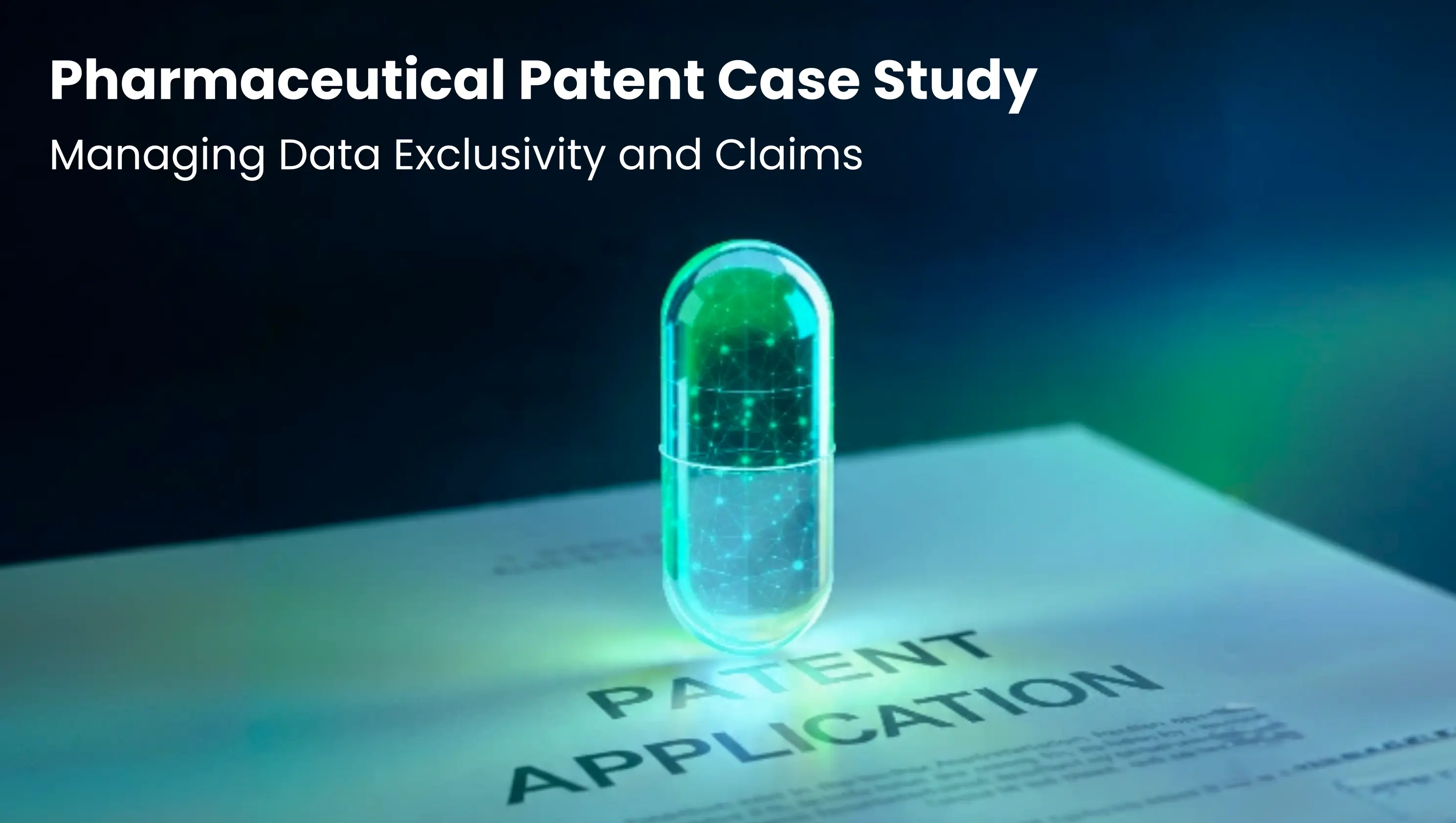
Pharmaceutical Patent Case Study: Managing Data Exclusivity and Claims
When pharmaceutical innovation meets real-world regulation, patents alone are not enough. Clinical data, regulatory timelines, and claim strategy must work together. This is where an experienced attorney becomes a long-term business partner—not just a filing expert.
In this pharmaceutical patent case study, we explore a recent real-world scenario from India that shows how data exclusivity and claims were strategically aligned to protect a high-value formulation from early generic competition.
Why Pharmaceutical Patents Are Different
Unlike mechanical or software inventions, pharmaceutical patents involve:
- Enormous R&D investment
- Years of clinical trials
- Regulatory data that competitors want to rely on
- Aggressive generic manufacturers
A registered attorney must think beyond “granting a patent” and focus on market exclusivity, claim durability, and regulatory overlap.
Case Background: A Recent Indian Pharmaceutical Filing
Industry: Pharmaceuticals (Oral Solid Dosage Form)
Innovation: Modified-release formulation of a known therapeutic compound
Jurisdiction: India
Status: Granted (2024–2025 cycle)
The client—an Indian pharmaceutical manufacturer—had developed a novel release profile and excipient combination that significantly improved bioavailability. While the active pharmaceutical ingredient (API) was known, the clinical performance data was entirely new.
The Core Challenge
The client approached a patent law firm with three major risks:
- Weak compound novelty due to prior art
- Risk of data reliance by generics after approval
- Short effective monopoly window if claims were narrow
A simple filing by a general exclusive right application lawyer would not have been enough. This needed a pharmaceutical patent attorney with litigation foresight.
Step 1: Patent Search & Patentability Analysis
Before drafting, the team conducted a deep:
- Exclusive right search attorney–led landscape review
- Prior art search lawyer analysis across India, US, and EP databases
- Patentability analysis focused on formulation and pharmacokinetics
This helped identify:
- What cannot be claimed
- What must be claimed narrowly
- Where future design-arounds may occur
Step 2: Claim Strategy Designed for Data Exclusivity
Instead of relying on a single utility statutory protection, the utility attorney structured layered protection:
| Primary Claims | Secondary Claims |
| Modified release profile | Manufacturing process stability |
| Specific excipient ratios | Storage and degradation resistance |
| Pharmacokinetic parameters linked to clinical outcomes | Compliance related dosing advantages |
This structure ensured that even if competitors avoided the main claim, commercial equivalence infringement risk remained high.
Step 3: Provisional to Complete Filing Strategy
A provisional statutory protection attorney first secured the priority date before clinical data publication.
The complete specification later:
- Integrated finalized trial results
- Strengthened inventive step arguments
- Reduced vulnerability during examination
This timing was critical to prevent data disclosure from becoming prior art.
Step 4: Examination & Objection Handling
During prosecution before the Indian Patent Office, objections were raised on:
- Obviousness
- Known substance with improved efficacy
The right rejection appeal attorney responded by:
- Linking clinical data directly to claim construction
- Demonstrating unexpected therapeutic advantage
- Differentiating from earlier formulations using examiner-friendly logic
The objections were resolved without oral hearing.
Final Outcome
- Patent granted with commercially enforceable claims
- Secondary filings prepared for lifecycle extension
- Strong deterrence against early generic entry
- Regulatory data protected from indirect reliance
This became a successful filing case study for pharmaceutical innovators in India.
Why This Matters for Pharma Companies
This pharmaceutical patent case study proves one thing clearly: It protects the invention. And a strategy protects the business.
Whether you are working with a chemical patent attorney, biotech IP protection lawyer, or medical device exclusive right attorney, the thinking must extend beyond grant dates.
How to Choose the Best Patent Attorney for Pharma
If you are searching for a attorney lawyer in Pune, ask these questions:
- Do they understand regulatory data protection?
- Can they draft claims with litigation awareness?
- Have they handled pharmaceutical right case studies?
- Do they offer end-to-end prosecution support?
The best attorney is one who thinks like a competitor and an examiner. In Pune, Enovo stands out because its attorneys think like competitors and examiners to deliver stronger outcomes.
Attorney Fees: What Really Matters
While attorney consulting fees vary, pharma companies should evaluate:
- Claim quality over cost
- Objection-handling expertise
- Lifecycle management capability
Cheap filings often lead to expensive enforcement failures.
Final Expert Insight
In pharmaceuticals, innovation is fragile. Without a forward-thinking legal filing attorney, even breakthrough research can lose exclusivity early.
A strategically drafted —supported by data exclusivity planning—is not paperwork. It is market control.