ENOVO on 14 Jan, 2026
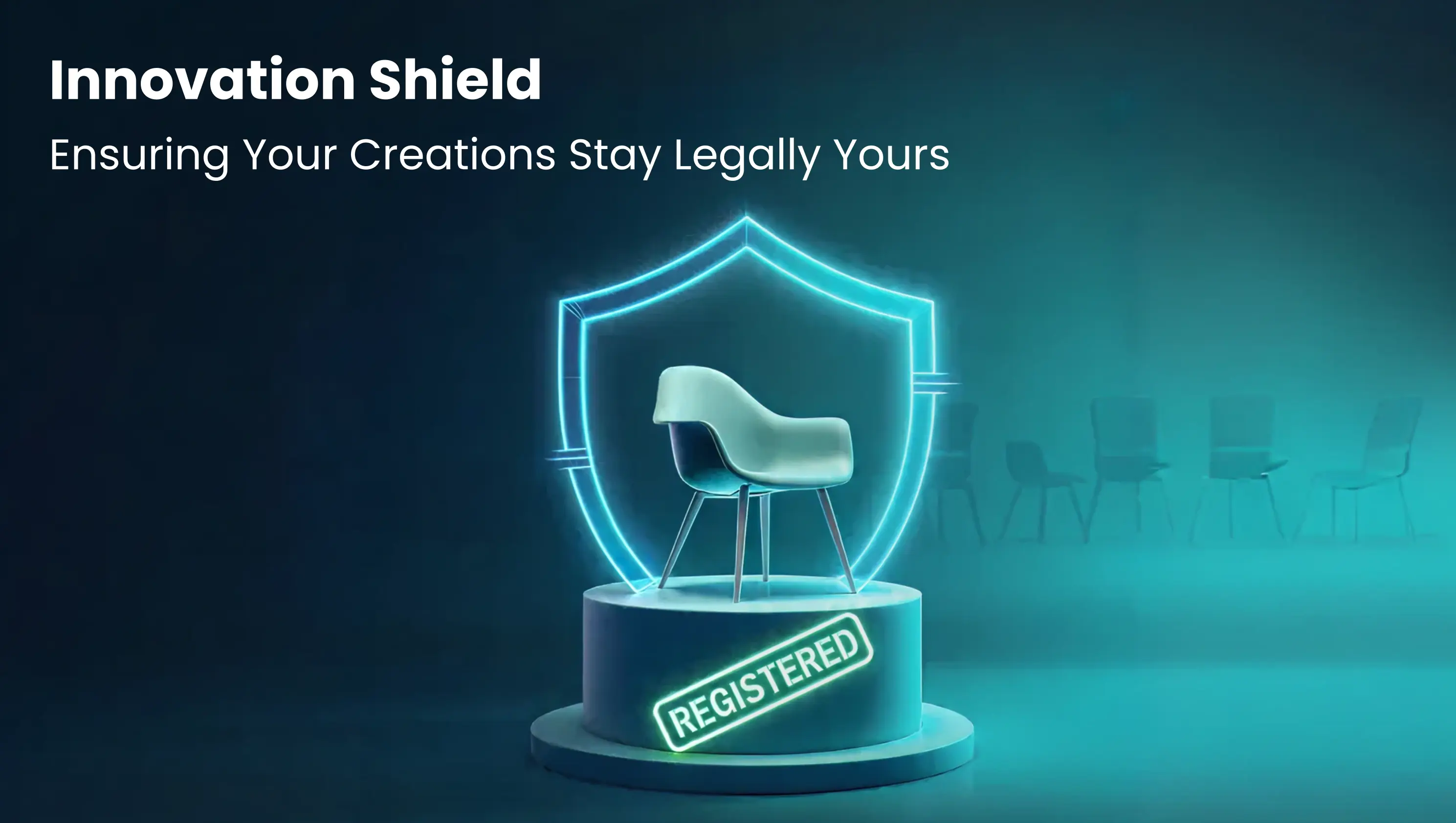
Innovation Shield: Ensuring Your Creations Stay Legally Yours
Every great idea begins as a spark — but without the right innovation protection, that spark can be copied, diluted, or lost. In today’s hyper-connected world, protecting what you create is no longer optional. Whether you’re a startup founder, designer, content creator, or business owner, understanding legal protection for innovations is the difference between ownership and exploitation.
This guide breaks it down simply — no legal jargon, just clarity.
Why Innovation Protection Matters More Than Ever
Innovation moves fast. Unfortunately, idea theft moves faster.
Without proper legal safeguards for innovation, you risk:
- Losing ownership of innovation
- Facing brand confusion or imitation
- Being unable to monetize your work
- Fighting costly legal battles later
An effective innovation protection strategy ensures your idea remains yours — from concept to commercialization.
What Can Be Legally Protected?
Not all ideas are protected by default. Legal ownership applies when your innovation takes a recognized form.
1. Creative Ideas & Content
Articles, designs, videos, software, and digital assets fall under content protection law.
Through the copyright registration process, creators gain enforceable rights and digital content legal protection to protect original creations.
2. Brands, Names & Logos
Your brand identity is a business asset.
Brand name legal protection and logo trademark protection secure your market presence and reinforce brand ownership rights, preventing misuse or confusion.
3. Designs & Visual Innovation
Product appearance, layouts, and aesthetics can be protected through design ownership rights, helping prevent visual duplication.
Innovation Protection for Startups: Start Early, Not Late
For startups, ideas are currency. Yet many founders delay legal steps until after launch — a risky move.
Protecting ideas before launch helps:
- Establish legal ownership of ideas
- Build investor confidence
- Reduce innovation risk management issues
- Support a strong startup intellectual property strategy
Early protection also simplifies future expansion and licensing.
Patent or Trademark: Which One Do You Need?
One of the most common questions is: “Do I need a patent or trademark?”
Here’s a simple breakdown:
- Patents protect how something works (processes, inventions)
- Trademarks protect how something is identified (names, logos, slogans)
- Copyright protects creative expression (content, design, code)
Often, businesses need more than one layer for complete innovation lifecycle protection.
How Can I Protect My Innovation Legally?
To protect your innovation effectively:
- Document your idea development (timestamps matter)
- Register applicable IP (copyright, trademark, design, or patent)
- Use NDAs when sharing concepts
- Monitor for misuse or duplication
- Enforce IP infringement prevention proactively
These steps create strong innovation ownership proof if disputes arise.
What Happens If Someone Copies My Idea?
If your work is legally protected:
- You can issue takedown notices
- Claim damages
- Stop unauthorized use
- Protect commercial value
Without protection, enforcement becomes difficult — often impossible.
That’s why legal protection for business ideas should be viewed as insurance, not an expense.
Commercializing Protected Innovation
Once secured, innovation becomes scalable.
Legal protection allows you to:
- License your creation
- Build exclusive products
- Enter partnerships confidently
- Monetize without fear
In short, commercializing protected innovation is far easier — and far safer.
Final Thoughts
Innovation deserves security. An Innovation Shield isn’t about fear — it’s about freedom. Freedom to create, scale, and grow without constantly looking over your shoulder.
When you safeguard intellectual property, you don’t just protect ideas — you protect futures.
Frequently Asked Questions
1: What is the best way to protect an idea?
Convert it into a legally recognizable form and register it early.
2: How to prevent idea theft?
Use legal registrations, documentation, and controlled disclosure.
3: Is innovation protection expensive?
It’s far cheaper than losing your idea or brand.