ENOVO on 29 Oct, 2025
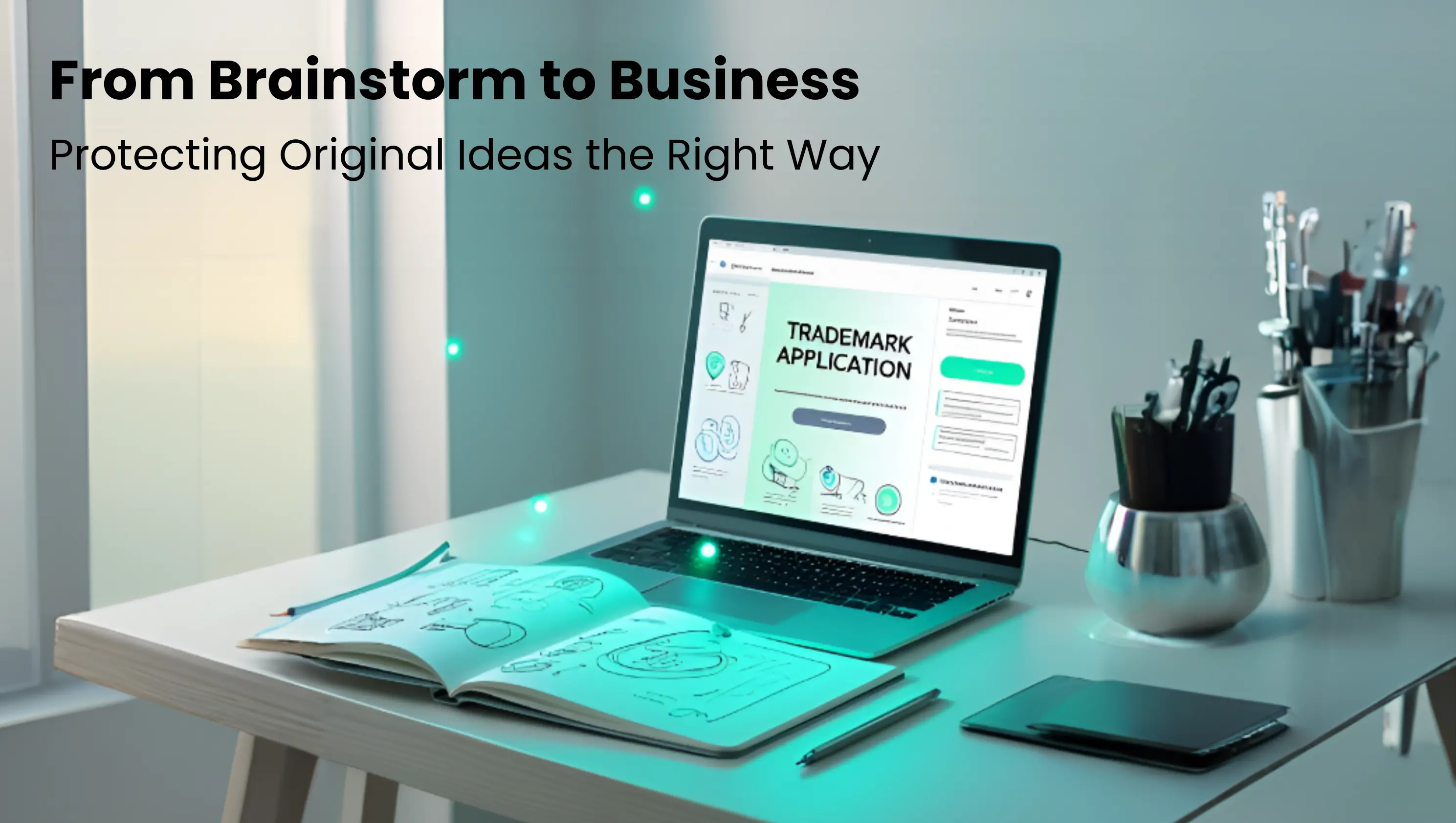
From Brainstorm to Business: Protecting Original Ideas the Right Way
You’ve got a brilliant idea — one that could spark a new startup, product, or even a revolution in your industry. But before you share it with investors, partners, or the world, there’s one crucial question to ask: how do you protect it?
In the modern startup ecosystem, innovation travels faster than ownership. Without legal protection, even the most groundbreaking concept can be copied, repackaged, and sold by someone else. That’s why understanding intellectual property protection isn’t optional — it’s essential.
This guide walks you through the right way to move from brainstorm to business, ensuring your originality stays yours.
Why Protecting Original Ideas Matters
Every startup begins with an idea — an insight, solution, or creative spark. But here’s the hard truth: ideas alone aren’t protected under the law. What’s protected is how you express, execute, or register them. That’s where intellectual property law steps in. It transforms your intangible creativity into a tangible asset — one that can be owned, sold, licensed, or defended in court.
When you protect your intellectual property (IP), you:
- Prevent competitors from copying your product or brand
- Strengthen your business valuation and investor trust
- Build credibility and exclusivity in the market
In short, IP rights turn imagination into a legal advantage.
Understanding Intellectual Property (IP) and Its Types
Before diving into registrations, it’s important to grasp the difference between IP types. Each serves a unique purpose in safeguarding your innovation.
Patent : A patent protects inventions — new processes, machines, or designs that provide a unique function. For instance, a new cooling system or AI-based algorithm could qualify for patent protection.
Validity: Usually 20 years from filing.
Example: Dyson’s patented vacuum technology.
Trademark : Trademarks protect identities — your brand name, logo, or tagline that differentiates you from others.
Validity: Indefinite, with timely renewals.
Example: The Nike swoosh or Apple logo.
Copyright : Copyright covers creative expressions — written content, software code, designs, or music.
Validity: Author’s life plus 60 years (in India and most jurisdictions).
Example: A marketing jingle, a website layout, or an app interface.
Patent vs Trademark vs Copyright can be summarized like this:
Patent protects innovation. Trademark protects identity. Copyright protects expression.
How to Protect a Startup Idea Legally
Startups often run on collaboration — co-founders, developers, freelancers, and investors. But openness must be balanced with legal caution.
Here’s how to protect your startup idea step by step:
Step 1: Document Everything
Write down your idea, concept sketches, prototypes, and research. A detailed record (dated and signed) helps prove originality if disputes arise.
Step 2: Use NDAs (Non-Disclosure Agreements)
Before you discuss your idea with anyone — potential partners, vendors, or investors — make them sign an NDA for business ideas.
It’s a simple document that ensures they won’t share or use your idea without consent.
Step 3: Secure Confidentiality Agreements
If you’re working with co-founders, developers, or freelancers, use confidentiality agreements for startups.
They go beyond NDAs — covering ownership of work created, intellectual rights, and restrictions on data sharing.
Step 4: Register Early
Once your product or brand takes shape, move fast to register your trademark, copyright, or patent. Delaying can give competitors an advantage, especially in fast-moving industries like tech or design.
Step 5: Seek Legal Guidance
Even the smartest founders need experts. Get professional IP registration help to navigate complex laws, filings, and renewals. Specialized consultants simplify the idea protection legal process and ensure compliance across regions.
The Legal Side of Protecting Original Ideas: Intellectual Property Law in Simple Terms
Intellectual property law governs how creators and inventors control their creations. It grants exclusive rights for a specific time and defines penalties for infringement. Different countries follow unique regulations, but global frameworks like the WIPO (World Intellectual Property Organization) ensure cross-border protection through treaties such as:
- TRIPS Agreement (Trade-Related Aspects of Intellectual Property Rights)
- Paris Convention for industrial property
- Berne Convention for copyright
Understanding these helps startups protect their work internationally — crucial for those targeting global markets.
Turning Ideas into Business Assets
Protecting ideas isn’t just about defense — it’s about value creation. Your intellectual property can generate revenue in multiple ways:
- Licensing: Allow others to use your IP for royalties.
- Franchising: Expand your business model under legal terms.
- Selling IP: Monetize patents or copyrights as standalone assets.
- Brand Leverage: A trademarked name boosts recognition and customer trust.
When you monetize intellectual property, you convert creativity into cash flow — strengthening your startup’s financial and strategic position. As the saying goes, “Unprotected innovation is just inspiration waiting to be stolen.”
Creating an IP Strategy for Startups
Startups often underestimate IP until it’s too late. Building a clear IP strategy early can prevent costly mistakes later.
A. Identify What Needs Protection
Not every idea deserves a patent, but your logo, brand name, product design, and proprietary process likely do. Conduct an IP audit to list valuable assets.
B. Choose the Right Protection Type
Match the right IP tool to your innovation:
- Patent -> invention
- Trademark -> brand identity
- Copyright -> creative expression
C. File Early, File Smart
Use provisional patents to secure early priority dates while refining your product. Register trademarks before launching publicly. These small steps prevent IP disputes and copycats.
D. Review Regularly
As your startup evolves, so should your IP portfolio. New features, designs, or brand extensions may need fresh filings.
E. Protect Globally
If you plan to expand abroad, explore international filings under WIPO’s PCT (Patent Cooperation Treaty) or Madrid System for trademarks. Your IP strategy isn’t just about legal security — it’s about competitive sustainability.
Securing Your Concept Before Pitching
One of the biggest mistakes entrepreneurs make is pitching without protection. Here’s how to stay safe before investor meetings or hackathons:
- Share only the problem and market potential, not the entire solution.
- Use secure pitch decks with limited access.
- Always have NDAs in place before sharing details.
- Register trademarks or provisional patents to establish legal ownership.
These steps show professionalism and reduce the risk of idea theft — a growing concern in competitive startup ecosystems.
From Innovation to Legal Ownership
Let’s be clear: ideas are not automatically owned. Ownership begins when you register, record, or contractually define your rights. That’s why it’s crucial to work with:
- IP attorneys for formal legal protection
- Consultants for strategic advice
- Business advisors for commercializing IP
Whether it’s patent filing, trademark registration, or copyright documentation, expert assistance streamlines the process. If you’re unsure where to start, seek legal help for protecting ideas — a worthwhile investment in your business future.
Common Mistakes to Avoid
Even the best innovators slip up. Avoid these errors:
- Assuming an idea is protected just by sharing it
- Forgetting to renew trademarks or patents
- Copying online content or images without checking IP status
- Failing to document creation timelines
- Skipping legal agreements with collaborators
Mistakes in IP management can cause financial losses, lawsuits, or rebranding nightmares. Prevention is always cheaper than litigation.
Building a Culture of Innovation Protection
Startups that thrive long-term treat IP not as paperwork, but as part of their DNA. Here’s how to make that happen:
- Train teams on confidentiality and originality
- Use NDAs and IP clauses in all contracts
- Keep prototypes and product designs confidential
- Build a digital record of every innovation
A company that values its creations earns investor trust and customer loyalty.
Conclusion: Protect What You Create — Before You Share It
The journey from brainstorm to business is thrilling, but also vulnerable. In a world where ideas can spread faster than ownership, protecting originality is no longer optional — it’s strategic.
By understanding intellectual property protection, using the right legal tools, and adopting a proactive innovation protection plan, you ensure your creativity turns into lasting business success.
Remember: An idea protected is an idea empowered.